BPC discuss vital role of mental health treatment at Labour party conference
The BPC gathered in Liverpool alongside the UK Council for Psychotherapy (UKCP) and British Association for Counselling and Psychotherapy (BACP) to stage a policy roundtable on: The vital role of mental health in Get Britain Working. The aim was to discuss the under-explored benefits of psychotherapy in assisting people, unable to work due to mental ill health, back into employment.
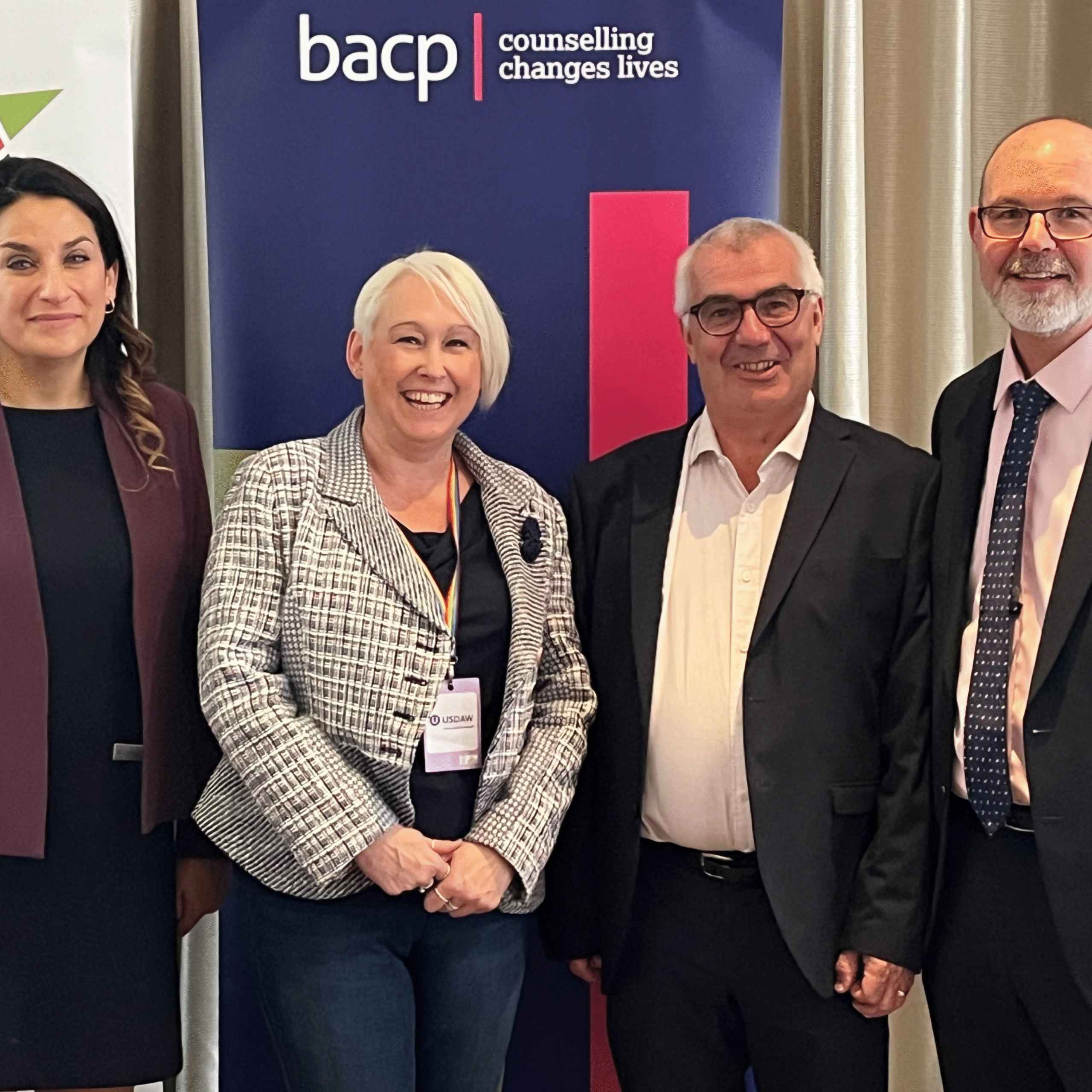
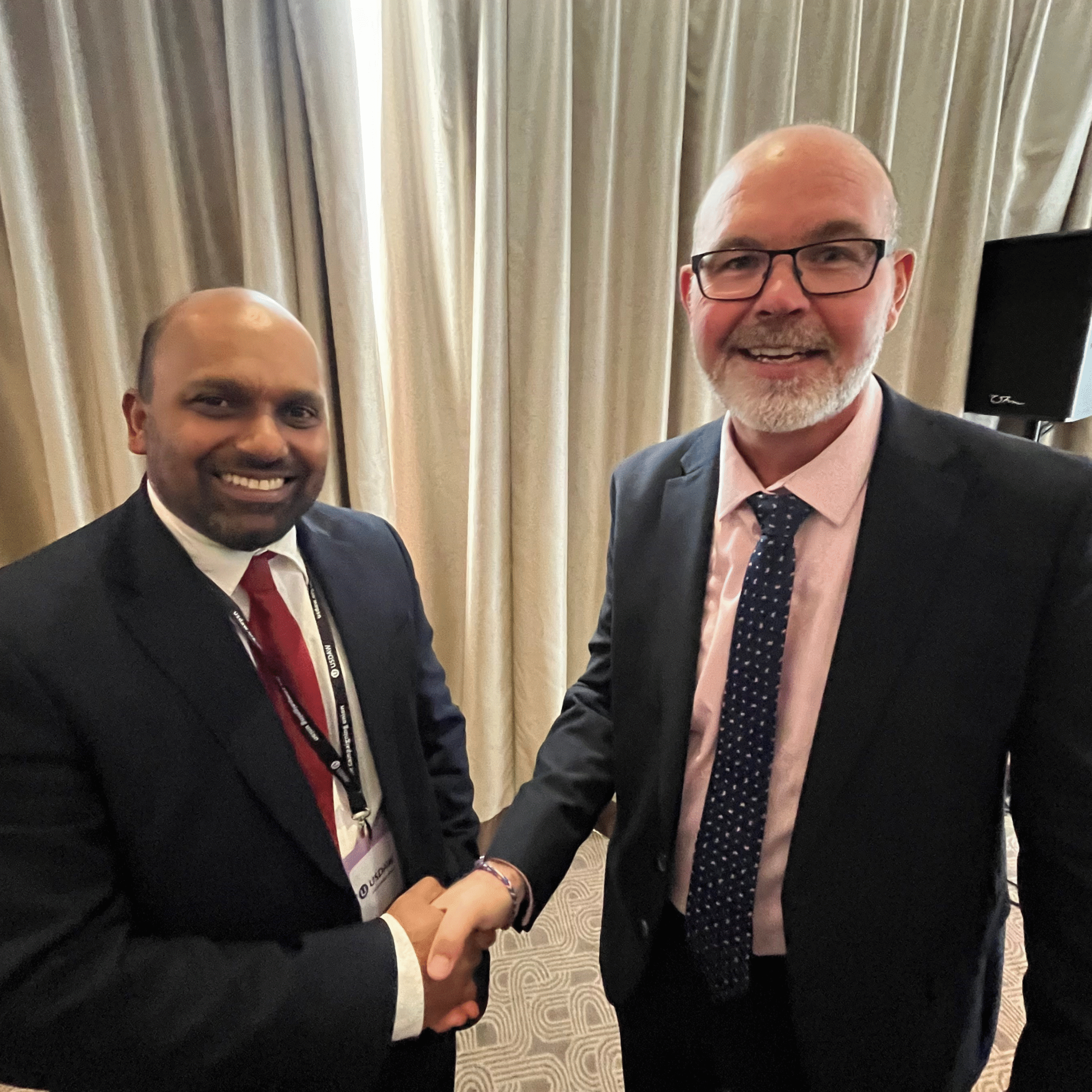
The roundtable, which was chaired by former Minister Baroness Luciana Berger, was attended by Stephen Timms, Minister for Social Security and Disability in the Department for Work and Pensions, and Sojan Joseph, Chair of the All-Party Parliamentary Group on Mental Health. Also in attendance were service users who spoke about their experiences of navigating the current NHS system to access mental health support, as well as representatives from Unite the Union, the Money and Mental Health Policy Institute, and the Centre for Mental Health.
The BPC was represented by its registrar Dr Sally Beeken, who spoke about the importance of the unconscious. Quoting Freud, she commented that humanness is founded upon the capacity to work and love. Therapy can help the patient to develop in both these domains making the goal of employment more attainable.
Addressing the current situation, it was acknowledged by Baroness Berger that 1 in 4 people will experience a mental health problem at some point every year, and around 20% of adults in England have a mental health condition, such as generalised anxiety disorder and depression. It is also recognised that poor mental health is rising significantly for those of working age, aged 16 to 34, most notably following the pandemic. People with mental health conditions, particularly those with chronic conditions, are more likely to be out of work, or forced to supplement their income with benefit entitlements.
At the same time however, Government programmes such as NHS Talking Therapies (formerly known as Improving Access to Psychological Therapies, IAPT) rely heavily on modalities such as CBT, with little funding made available for psychotherapeutic treatments which could prove more effective and match the individual needs of many patients. As the recently launched Talking Therapies Taskforce report (which all three sponsoring organisations contributed to and support) found, investing in more intense therapy early on helps patients in the long term, and helps people to stay in work. Attendees agreed that expanding current funding programmes to include such treatments would therefore both support patient choice and would better ensure that care which is offered by the NHS is tailored to the patient’s needs.
Investing in more intense therapy early on helps patients in the long term, and helps people to stay in work.

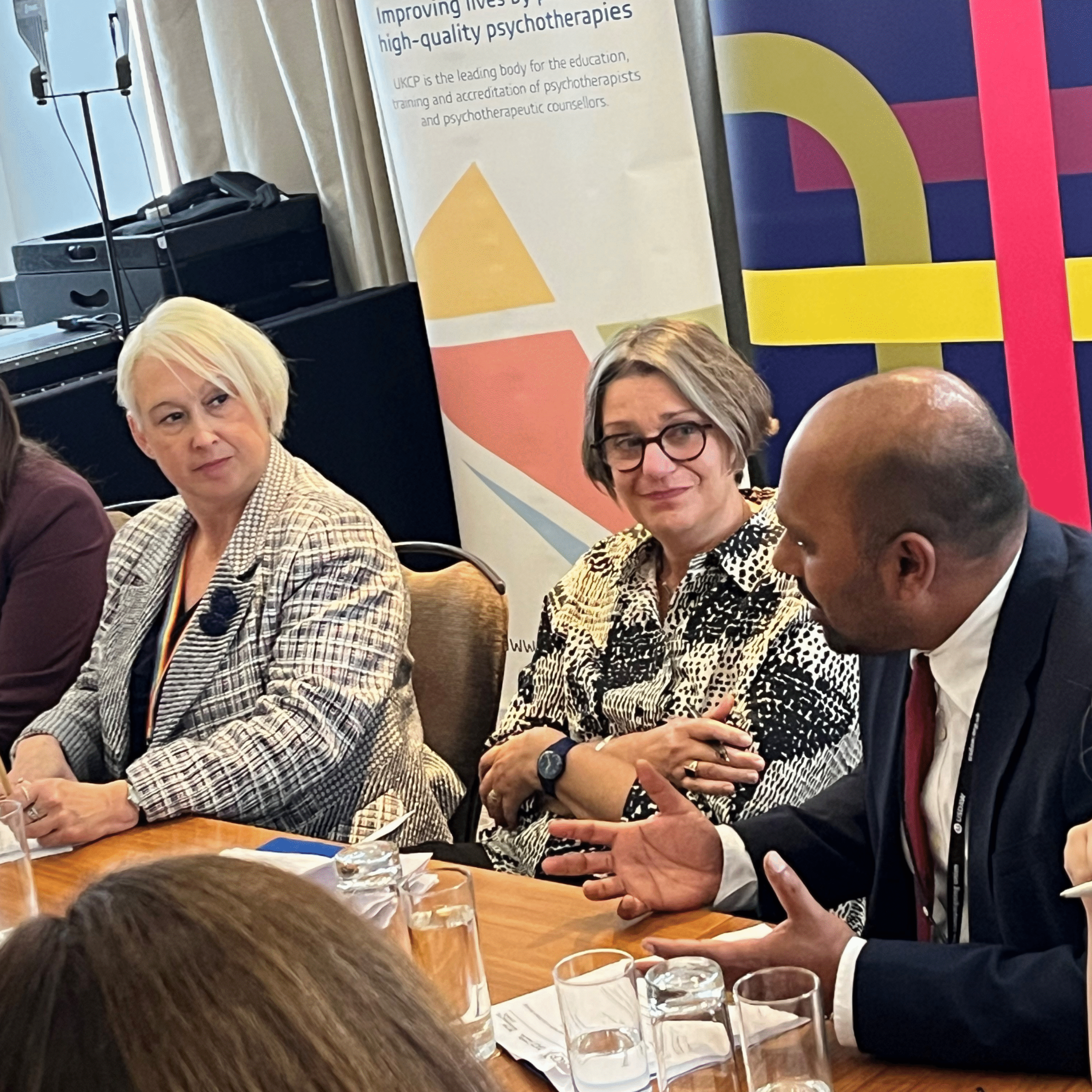
Following the roundtable, participants agreed that the recommendations will be collated into a common statement on behalf of the BPC, BACP and the UKCP. This statement will be sent to the Minister in the Department for Work and Pensions, as well as his counterparts at the Department for Health and Social Care, with further engagement and discussion around the findings to follow.
This statement will be shared with BPC Registrants when completed.